Time per week

5-15 hours per brand
Under 1 hour (review the report)

Promptmonitor runs your prompts across 8 AI models every single day, stores every response, and sends your team a weekly report with everything in it.






Feature
Manual Tracking
Promptmonitor
Time per week
5-15 hours per brand
Under 1 hour (review the report)
AI models covered
Whichever you remember to check
All 8, daily
Data consistency
Different person, different day, different notes
Same prompts, same format, same cadence
Historical tracking
Whatever screenshots survived
Automatic, queryable
Sentiment tracking
Eyeball and guess
Built in
Competitor coverage
Usually skipped
Up to 10 per project, tracked daily
AI citation tracking
Manually sourced
Every source, with publisher contacts
AI search bot analytics
Unavailable
Real-time dashboard
Manual Tracking
Promptmonitor
Time per week
5-15 hours per brand
Under 1 hour (review the report)
AI models covered
Whichever you remember to check
All 8, daily
Data consistency
Different person, different day, different notes
Same prompts, same format, same cadence
Historical tracking
Whatever screenshots survived
Automatic, queryable
Sentiment tracking
Eyeball and guess
Built in
Competitor coverage
Usually skipped
Up to 10 per project, tracked daily
AI citation tracking
Manually sourced
Every source, with publisher contacts
AI search bot analytics
Unavailable
Real-time dashboard
Inaccurate Prompts
Your content lead runs 20 prompts through ChatGPT on a Monday morning and writes down what they saw. Two weeks later, someone else picks up the task, runs 15 of those prompts, skips Claude entirely because they didn't think it mattered, and forgets to check Perplexity because they ran out of time.
Now your historical data is a mess. You can't compare week 3 to week 1 because the prompts, the models, and the person doing the work were all different.
Promptmonitor runs the exact same prompt library against the exact same AI models every day. It doesn't matter who's on leave, who's swamped with other work, or who forgot. The data stays clean, and that's what makes your AI search visibility numbers usable over a period of months instead of just a couple of weeks.
You stop covering most of the AI models
Tracking brand mentions in ChatGPT manually takes time. Tracking ChatGPT, Claude, Gemini, Perplexity, DeepSeek, Grok, AI Overviews, and AI Mode manually is basically a full-time job that nobody on your team signed up for.
So you narrow down to two or three models and stop checking the rest. Which means you lose visibility on the platforms where your buyers might actually be asking questions about your category.
All the citation data gets lost
You open ChatGPT, ask the prompt, read the answer, click through the sources it cited, and maybe take a few notes. You close the tab and move on. Two weeks later, your content lead wants to know which of those sources mentioned your brand so they can plan outreach.
That information is gone.
Promptmonitor captures every cited source across every AI model, tags whether your brand appears on the page, and pulls the author's email and social profiles alongside domain authority and backlink metrics. So when your team is ready to run outreach or create content that outranks a weak source, the data is already sitting there waiting for them.
Competitor tracking is missing
Teams that are doing manual tracking rarely have the bandwidth to also run prompts against competitor brands. So you know your visibility is at a certain level... but you have no idea whether that's good or bad relative to the three or four brands your audience is actually comparing you against.
Promptmonitor tracks up to 10 competitors per project, same prompts, same models, every day. You see your share of visibility alongside theirs and you know exactly where the gaps are and which prompts you need to win.
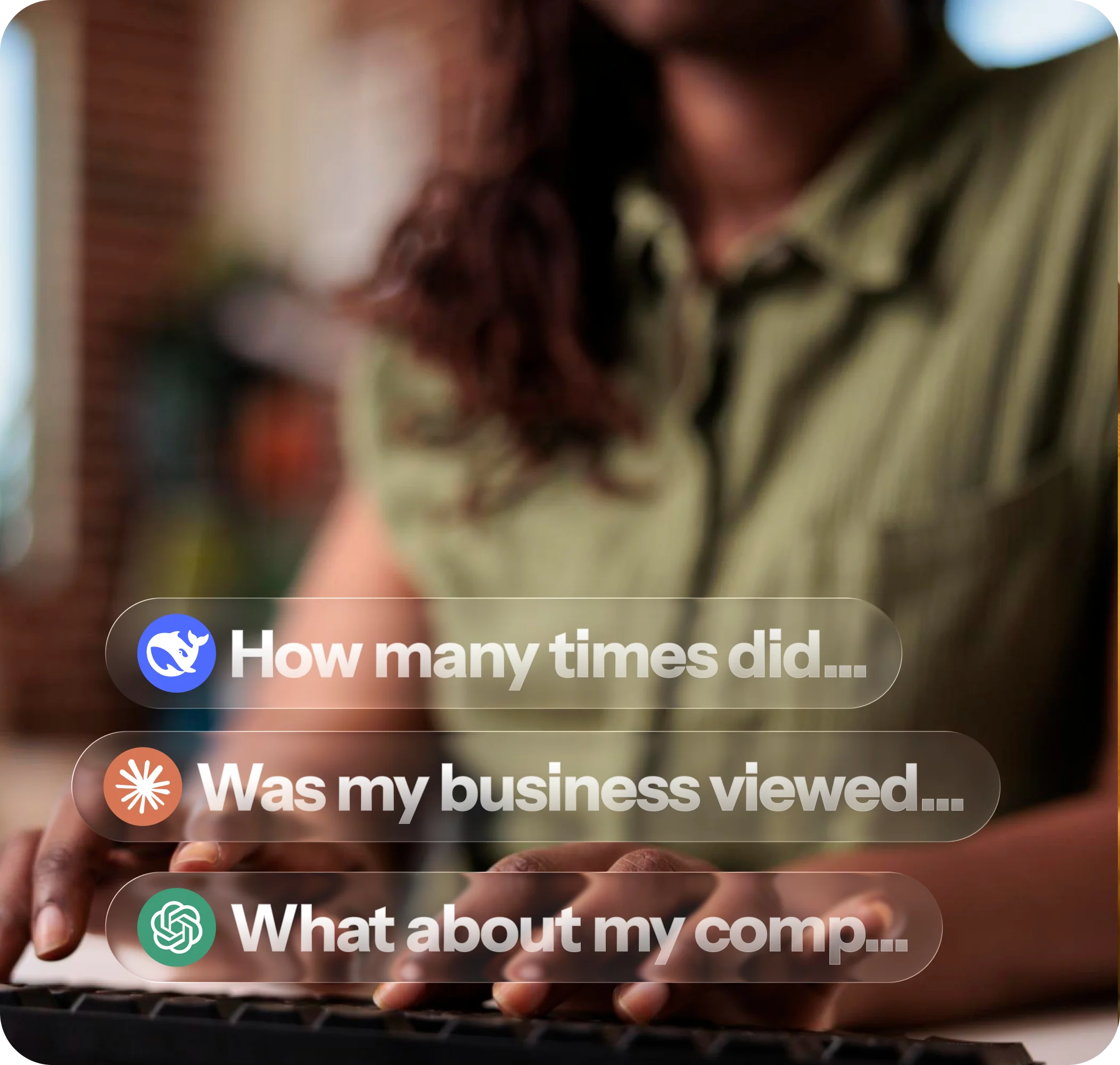
ChatGPT, Claude, Gemini, Perplexity, DeepSeek, Grok, Google AI Overviews, and AI Mode. Every prompt runs against every model every day.

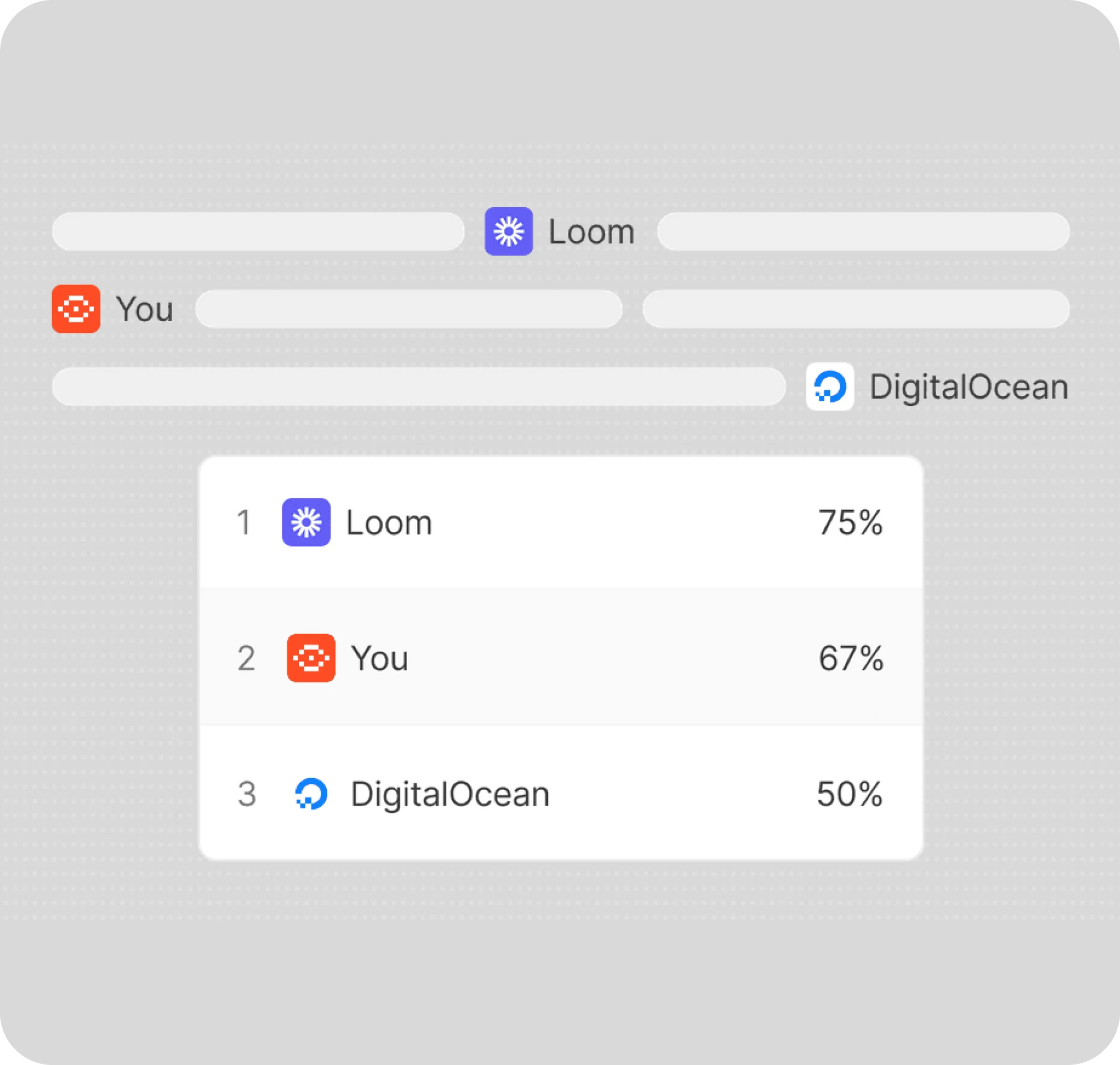
Track up to 10 competitors alongside your brand and watch their share of visibility shift across every AI model, week over week.

If AI crawlers aren't visiting your pages, those pages can't show up in AI answers. Promptmonitor tracks GPTBot, ClaudeBot, PerplexityBot, GoogleOther, and every other major AI crawler in real time.
You see which pages they read, which pages they skip, and how often they come back. Manual tracking gives you zero visibility into any of this.

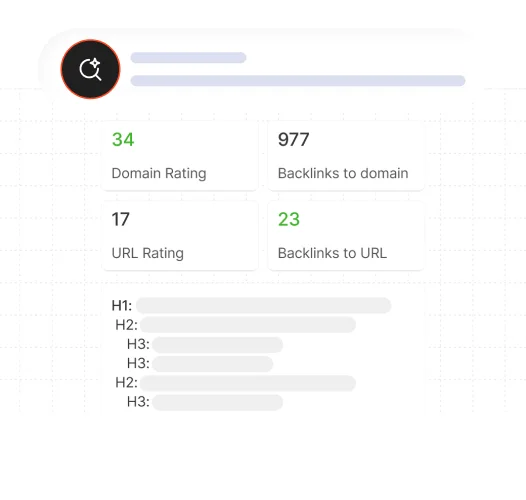

For every source that AI cites in its responses, you get the domain, the article, the author's email, their social profiles, domain rating, and backlink count. If it's a low authority source that AI keeps pulling from, your team writes something better and takes the citation.
If it's a high authority publication with a real editor, you pitch the author directly.
Promptmonitor gives you both the decision and the contact in the same view.

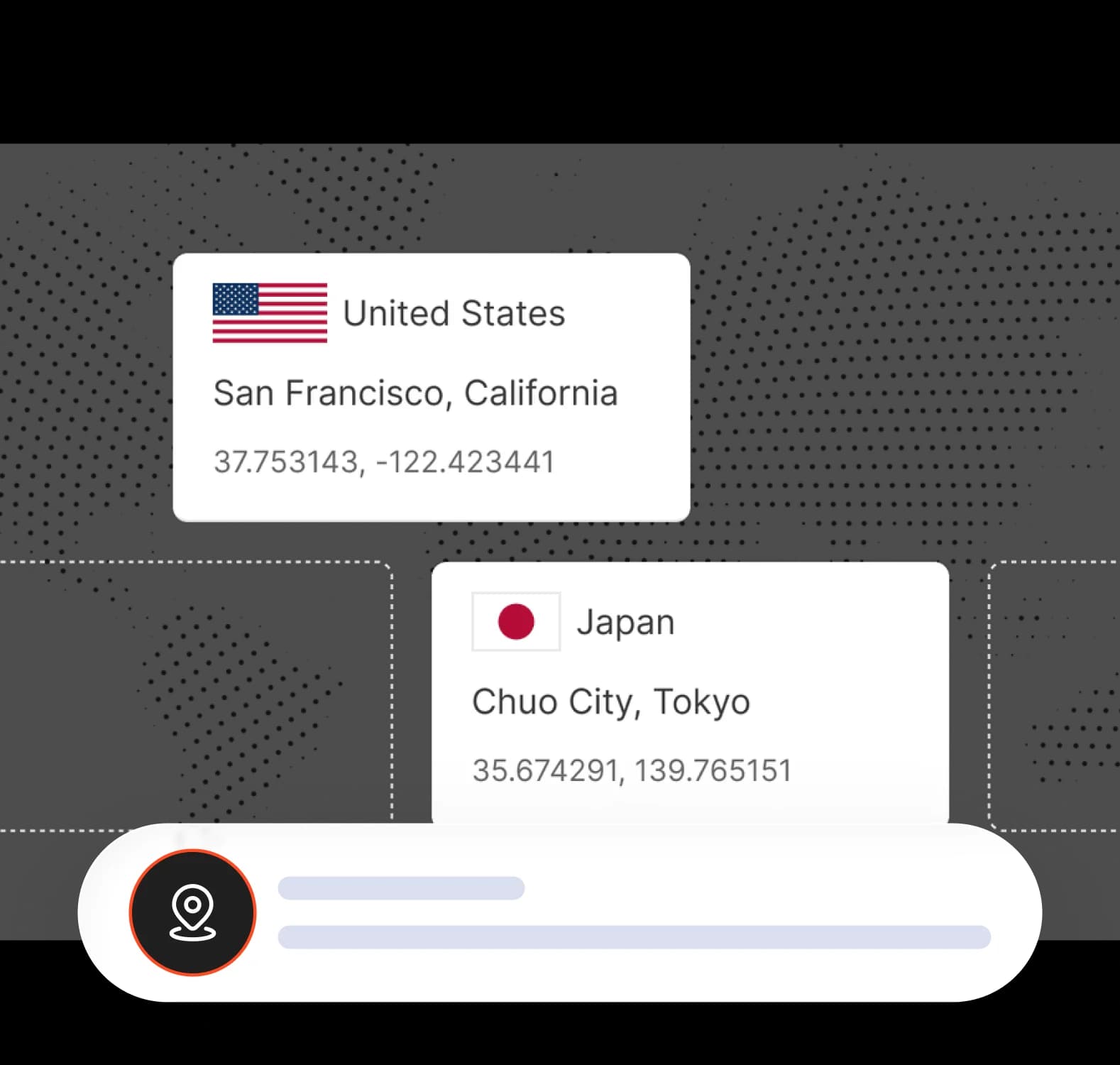
AI gives different answers depending on where the user is. Track your brand visibility across 200+ locations at country, state, and city level.
So if your audience is in the US, UK, Nigeria, or anywhere else, you see how your brand shows up in each specific market instead of a blended global average that hides the real picture.

Get your hours back and your data right
7-day free trial. Cancel anytime
You can, but you'll miss everything that changed between your checks. AI models update, new sources get cited, competitors publish fresh content, and your mentions shift in ways you can't catch on a weekly basis. Daily tracking catches the shifts the day they happen, which is the difference between responding to a problem early and discovering it three weeks after it started.
Teams that do manual tracking properly usually spend 3 to 6 hours per brand per week. That covers 20 to 30 prompts across 2 or 3 models, plus notes, screenshots, and a summary report. Promptmonitor runs 25 prompts across 8 models every day and auto-generates the weekly report, so the review takes about 2 minutes.
Promptmonitor offers a 7-day free trial on every plan.
First, you need to track your AI search visibility so you have a clear picture of where you stand across ChatGPT, Claude, Gemini, Perplexity, and the rest.
Second, find the sources that AI is citing for your target prompts and get your brand mentioned in them, whether through outreach to the publisher or by creating content that outranks what's currently there.
Third, make sure AI crawlers can actually read your site, because if they can't access your pages, your content won't show up in AI answers regardless of how good it is.
Promptmonitor handles all three from one dashboard.
Manual tracking works for a few weeks. After that, coverage goes down because nobody has time to check 8 models every day. AI search monitoring tools run the same prompts across every model, every day, without skipping anything. They store historical data, generate reports automatically, and surface the publisher contacts and citation gaps that manual tracking always misses.